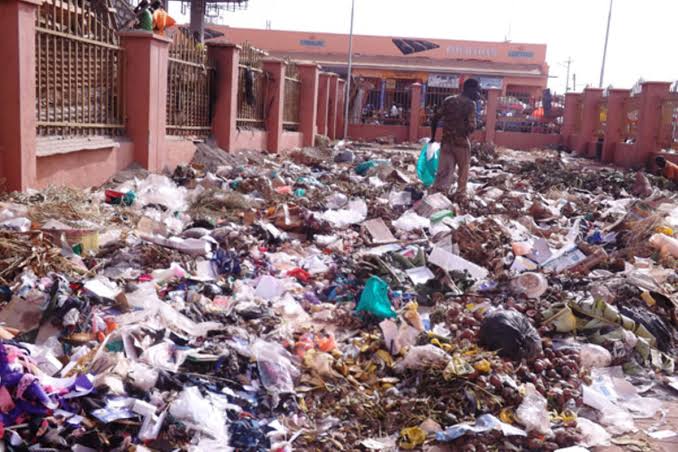
Introduction In Kyaka II Refugee Settlement, waste is part of daily life. From plastic bottles and food leftovers to old clothes and medical waste, we produce large amounts of rubbish every single day. But when this waste is thrown anywhere — on roadsides, in bushes, or in drainage channels — it creates serious problems that many of us don’t see until it’s too late.
The Current Situation Kyaka II is a densely populated settlement. With thousands of households living close together, poor waste disposal quickly becomes a big threat. Many families still practice open dumping or burn waste openly because they lack better options or awareness.
Major Health Risks
- Disease Outbreaks: Piles of waste attract flies, mosquitoes, and rats. These spread malaria, cholera, typhoid, and diarrhea — especially dangerous for children and the elderly.
- Respiratory Problems: Burning plastics releases toxic smoke that causes coughing, asthma, and long-term lung damage.
- Contaminated Water: Waste blocks waterways and leaches chemicals into our water sources, making drinking water unsafe.
Environmental Damage Plastic bags and bottles take hundreds of years to break down. They pollute our soil, making it difficult to grow healthy crops. Animals sometimes eat plastic, get sick, and die — affecting families who keep goats, chickens, or cows.
Impact on Daily Life
- Flooding during rainy seasons becomes worse when drains are blocked by waste.
- Bad smell and unclean surroundings lower the dignity and quality of life in our communities.
- Children playing near dumping sites are at higher risk of injury and infection.
A Story from Our Community Mama Fatuma from Block 5 shared: “My youngest child was always sick with diarrhea. When we joined a community clean-up and stopped throwing waste near our house, his health improved greatly.”
The Good News The situation is not hopeless. Many communities across Uganda and the world have successfully reduced waste problems through collective action. Kyaka II can do the same.
What Should We Do Next? Poor waste management is not someone else’s problem — it is our shared responsibility. In our next article, we will share practical steps every family can take.
Call to Action Have you witnessed the effects of poor waste management in your area? Share your experience in the comments or contact us. Together, we can turn the situation around.
Tags: Waste Management, Health in Kyaka II, Community Environment, Refugee Settlement